Jarrod O Miller
  • Home Page
  • Research
  • Extension
  • Agronomy Blog
  • Courses
  • Delmarva Saltwater Intrusion
Picture
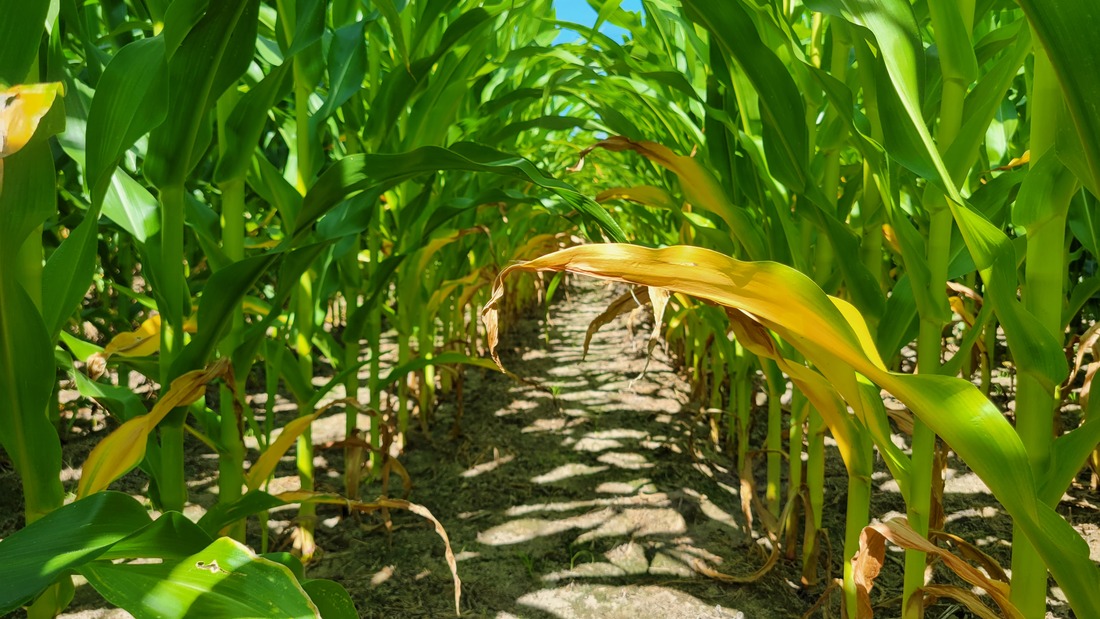
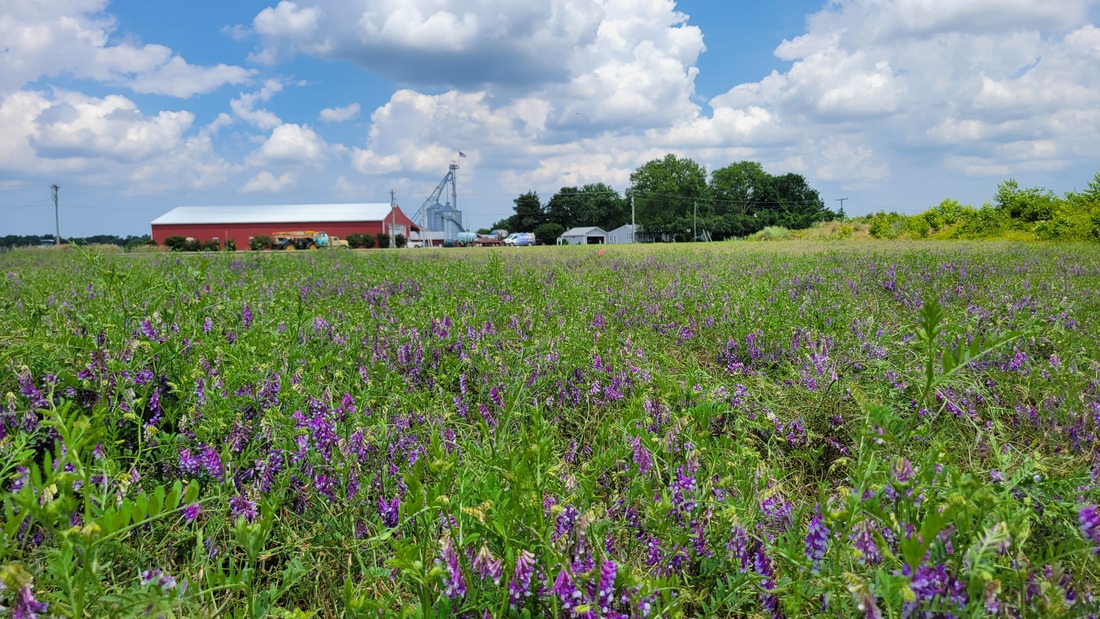
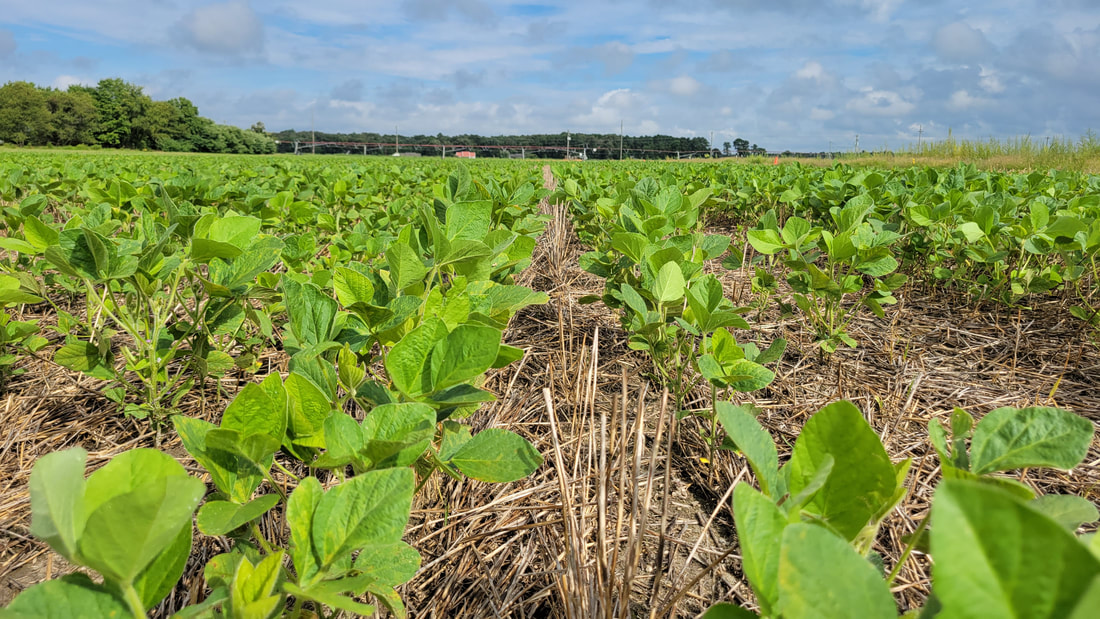
​​Our research and extension outreach at the University of Delaware involves improving agronomic yields in an economically efficient and environmentally sustainable way. That includes basic soil fertility work, methods in precision agriculture, and dealing with saltwater intrusion and soil salinization.
--------------------------------------------------------
Research Page
Extension Outreach

Agronomy Blog
Teaching
Delmarva Saltwater Intrusion
​


Education Background:
  • Ph.D. Soil Science, University of Kentucky, 2008
  • M.S. Crop and Soil Environmental Sciences, Virginia Tech, 2002
  • B.S. Environmental Science, Virginia Tech, 1999

Work Background:
  • ​University of Delaware, Department of Plant and Soil Science, 2017 - Present
  • University of Maryland Extension, Princess Anne, MD, 2014 - 2017
  • Post Doc, USDA-ARS, Florence, SC, 2009- 2013
  • Post Doc, Forestry Dept, University of Kentucky, 2008-2009
  • Research Associate, Virginia Tech, Cropping Systems Lab, 2002-2004
  • Dairy Farmhand, 1995 - 1999
​
Picture
Picture
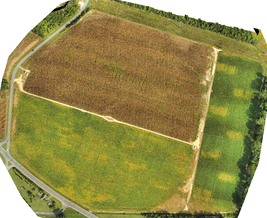
Learn more about our work in precision agriculture.
Picture
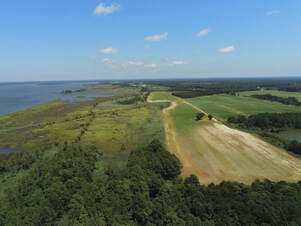
Learn more about saltwater intrusion on the Delmarva Peninsula.

Recent SWI Publication: Evaluating routine agronomic soil tests for coastal soil salinity detection in the Mid-Atlantic
  • Soil salinity assessments are needed to guide management in coastal regions of the Eastern United States.
  • Saturated paste extractions are not offered as a routine agronomic soil test outside the Western United States.
  • Mehlich-3 extractable Na and ammonium acetate extractable Na had a strong positive relationship with saturated paste extractable Na.
  • Mehlich-3 extractable Na has potential to identify and classify the salinity on the Delmarva Peninsula.     
Picture
DOI:https://doi.org/10.1002/saj2.70075

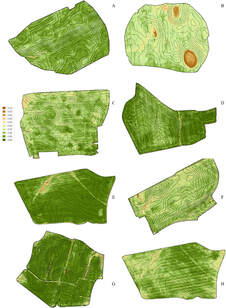
Recent Precision Agriculture Publication: Assessing relationships of cover crop biomass and nitrogen content to multispectral imagery
  • Drone-derived NDVI, along with GDD, were strong predictors of biomass.
  • As an individual variable, normalized difference red edge index was useful for predicting biomass, total N, and C:N.
  • The digital surface model could predict N and C:N as an interaction with cover crop types.
         
UD-Space link
Picture

Recent Agronomy Publication: Planting Date Effects on Soybean Yield and Foliar Nutrient Concentrations across the Mid-Atlantic Region.
  • Soybean yield in the Mid-Atlantic was mostly unaffected by planting date between mid-April and late May.
  • Nutrient concentrations in the upper trifoliate were lower for potassium, calcium, sulfur, and iron with later planting dates.
  • Nutrient concentrations for nitrogen, phosphorus, magnesium, manganese, zinc, copper, and boron did not change with planting date.
  • Aluminum uptake was higher with earlier planting dates and had a negative impact on yield during the earliest planting timing.
         

Picture

Twitter
Google Scholar Citations
LinkedIn 

Picture
Picture
Picture
Powered by Create your own unique website with customizable templates.